Friedhof.CityFunerary culture through time

Journey

From early traces to the distant future.

The stops follow three changes: how burial places are built, how responsibilities shift and how new processes organise farewell. Examples come from different regions and do not form a continuous development.

The overview is not to scale. Dates refer to the regions described. Future stops are explicitly speculative.

Before writing · example c. 14,000 years ago
History · regional context

The first traces of farewell

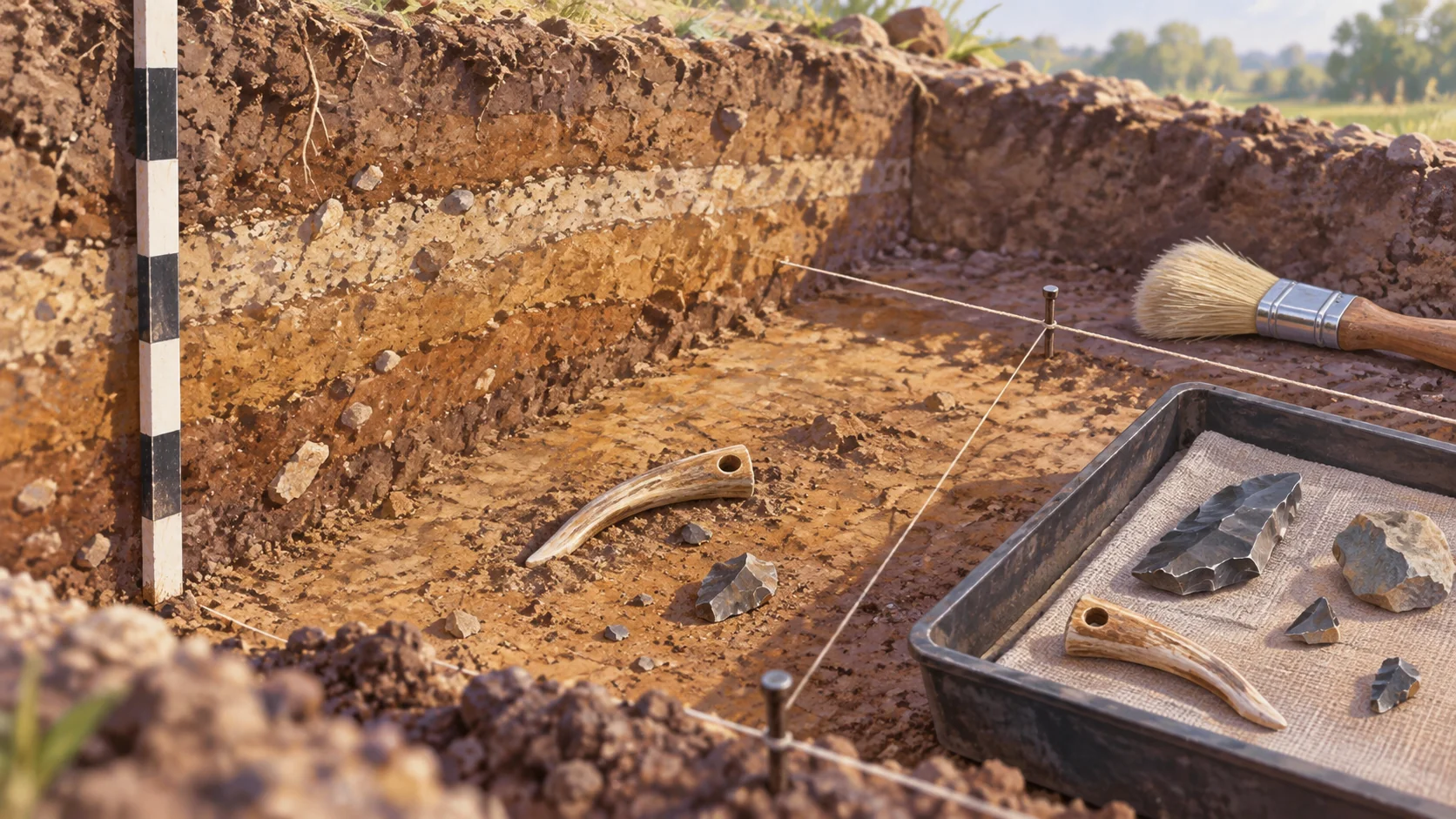
At Oberkassel, two people, a dog and worked objects share a burial context. The evidence records an action; its meaning still needs to be explored.

Open this stop ↗
c. 5500–3000 BCE
History · regional context

When people settle

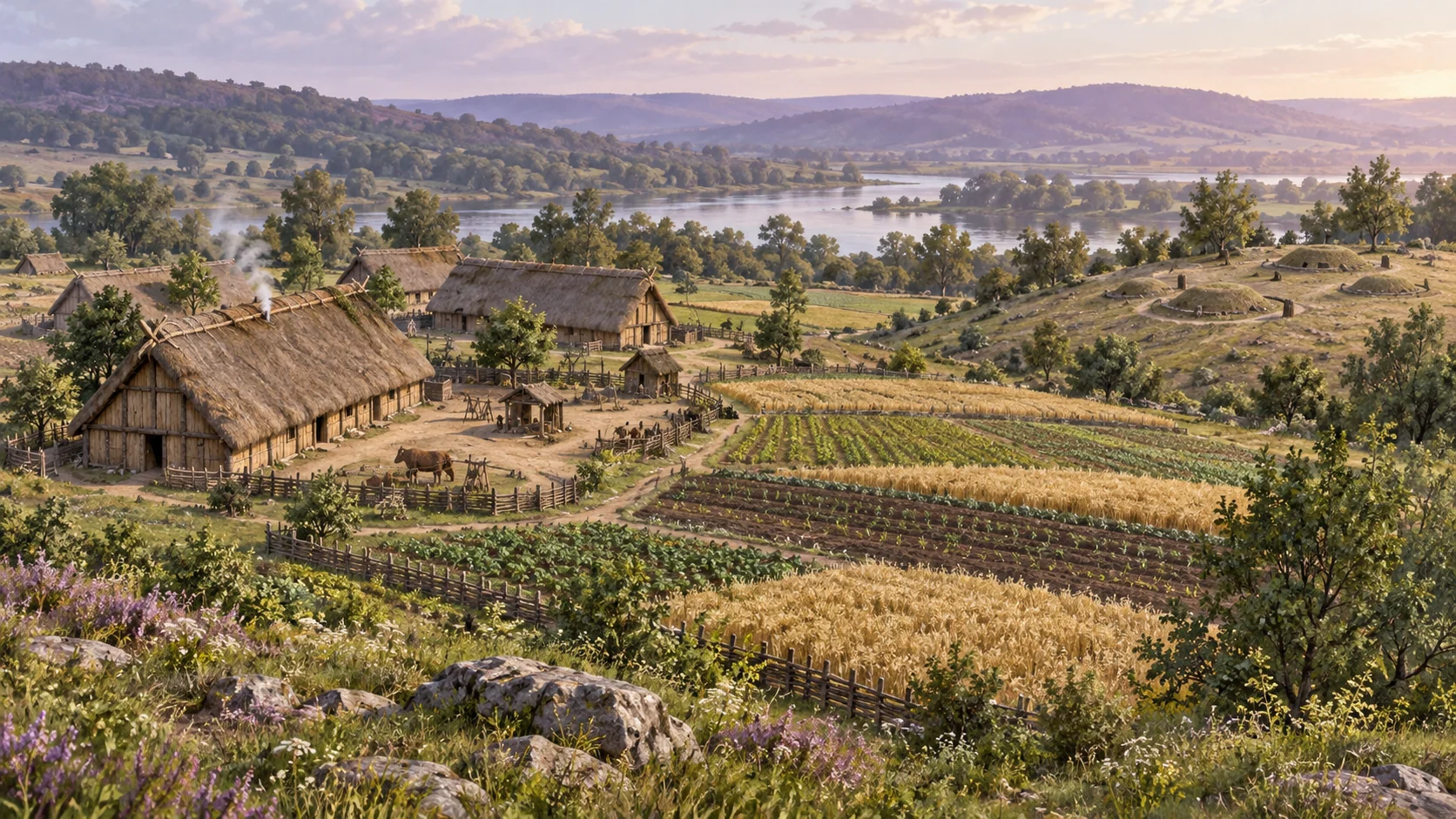
People who cultivate fields and remain in one place must also find space for their dead. Settlement history and burial history can therefore be read together.

Open this stop ↗
Neolithic · megalithic graves
History · regional context

Dolmens: rooms of great stones

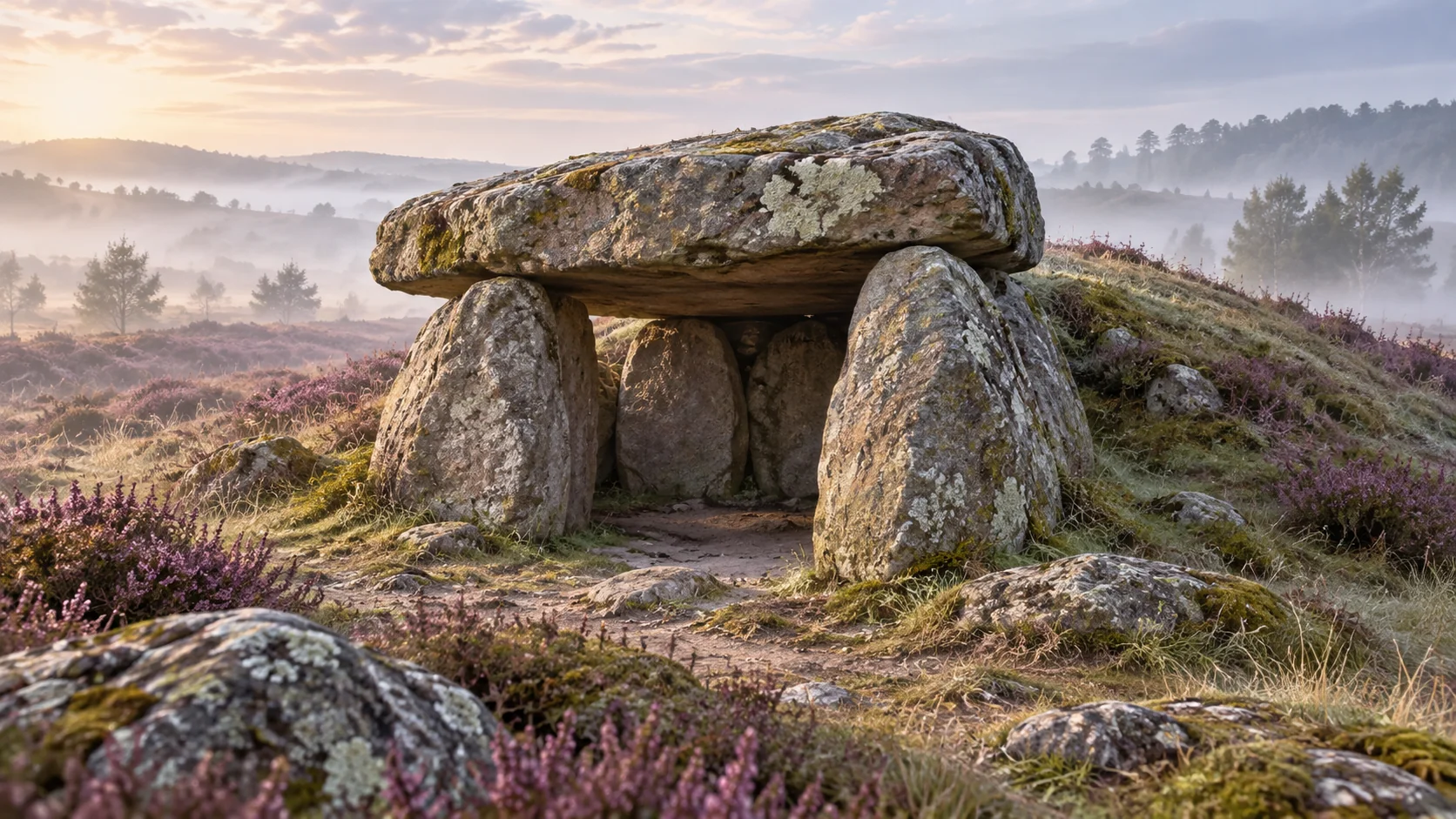
What looks like a free-standing stone table was part of a tomb. Chamber, mound and later changes together explain what survives today.

Open this stop ↗
from c. 3000 BCE
History · regional context

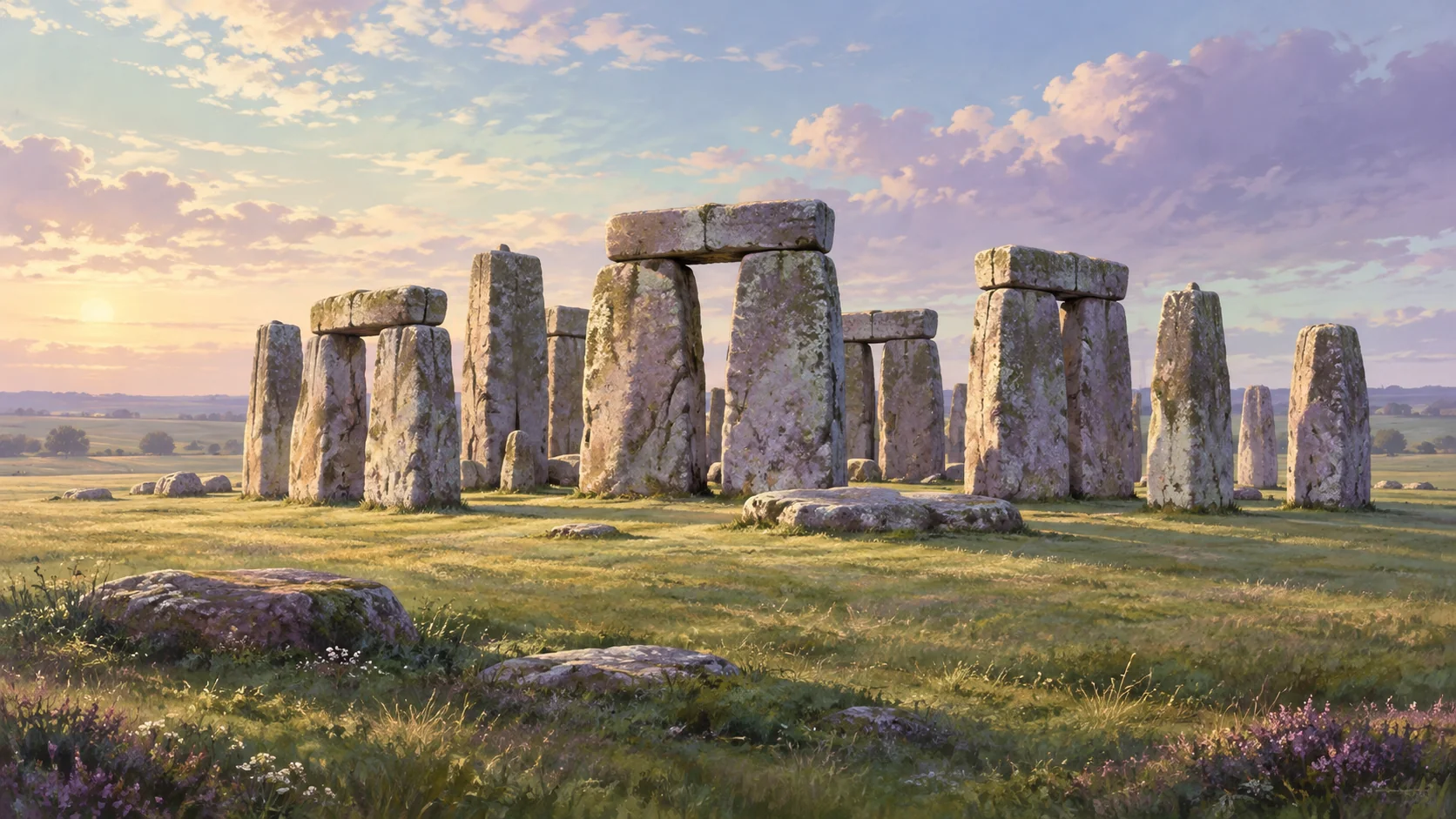
Stonehenge: more than a stone circle

Stonehenge initially also served cremation burials. The later stone circle belongs to a longer history of changing structures and uses.

Open this stop ↗
Bronze Age · selected evidence
History · regional context

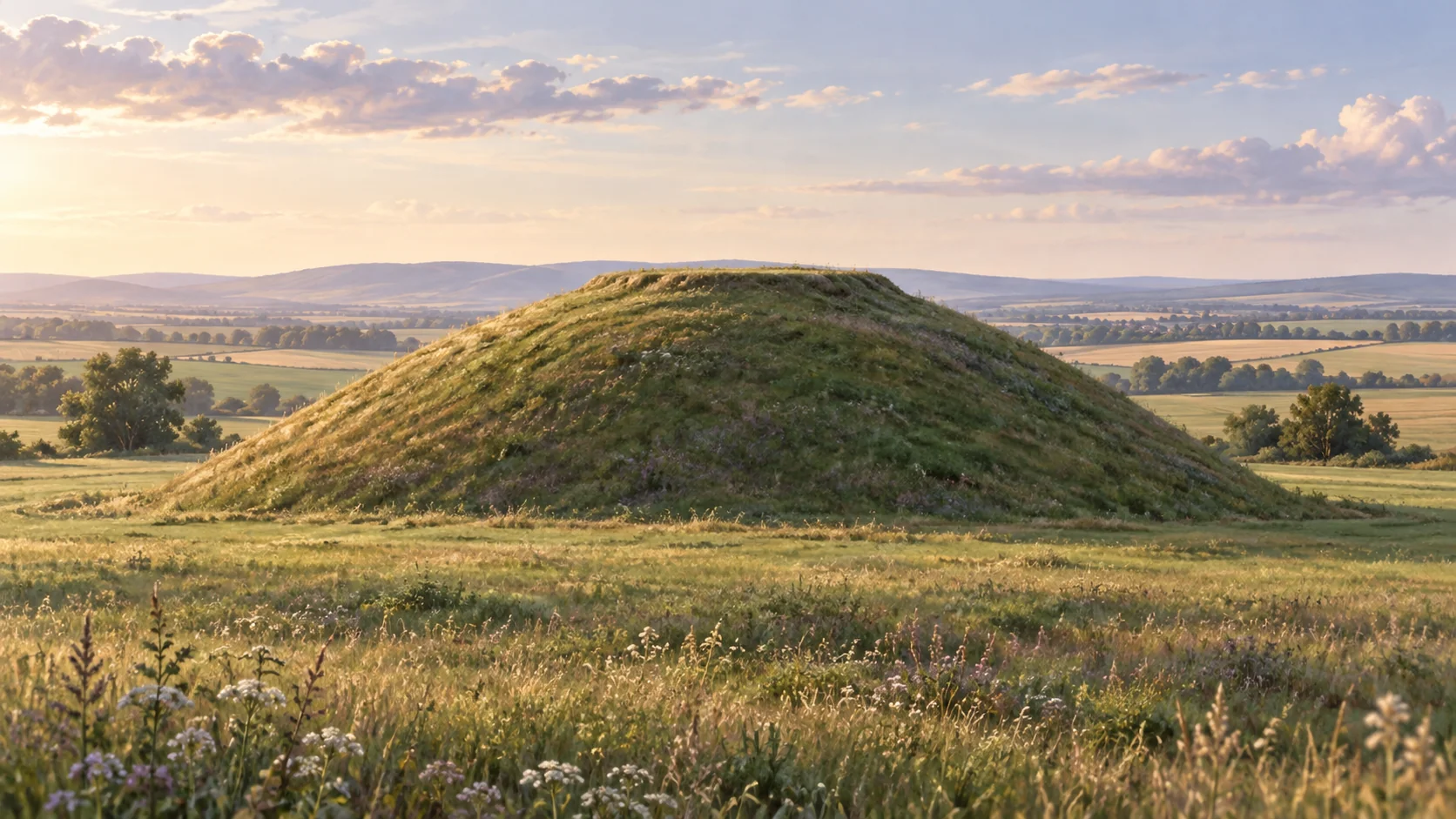
Burial mounds: memory becomes landscape

A burial mound makes an interment visible in the landscape. At Leubingen, a particularly elaborate structure also points to differences within a community.

Open this stop ↗
c. 1300 BCE
History · regional context

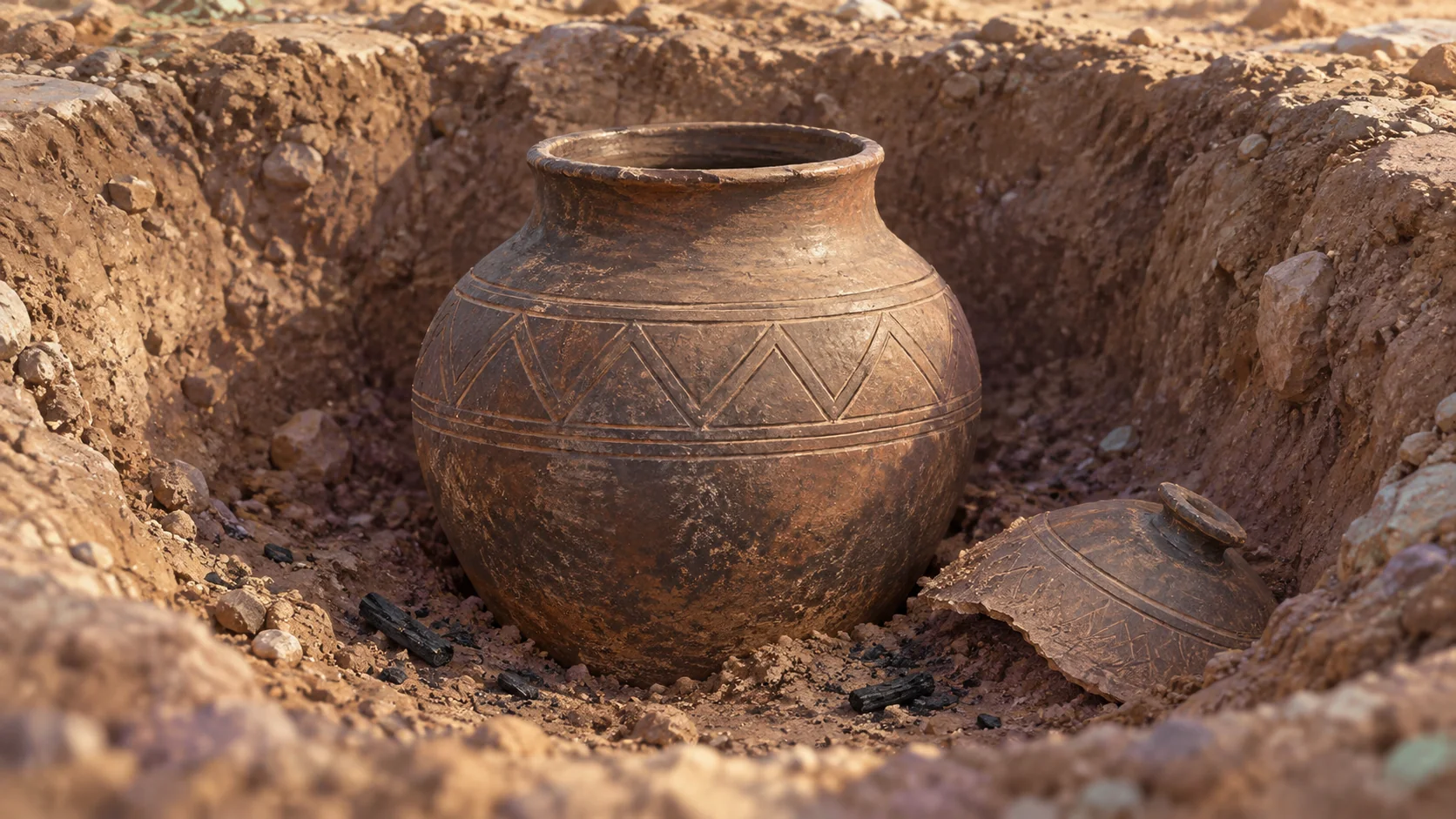
When fire changes farewell

In the Late Bronze Age, fire changes both the dead body and the farewell: cremation and interment become separate actions in separate places.

Open this stop ↗
Roman imperial period
History · regional context

Remembrance beside the road

Roman graves in the Rhineland preserve clues to public remembrance. A burial find can make a name or occupation visible without explaining an entire life.

Open this stop ↗
Middle Ages
History · regional context

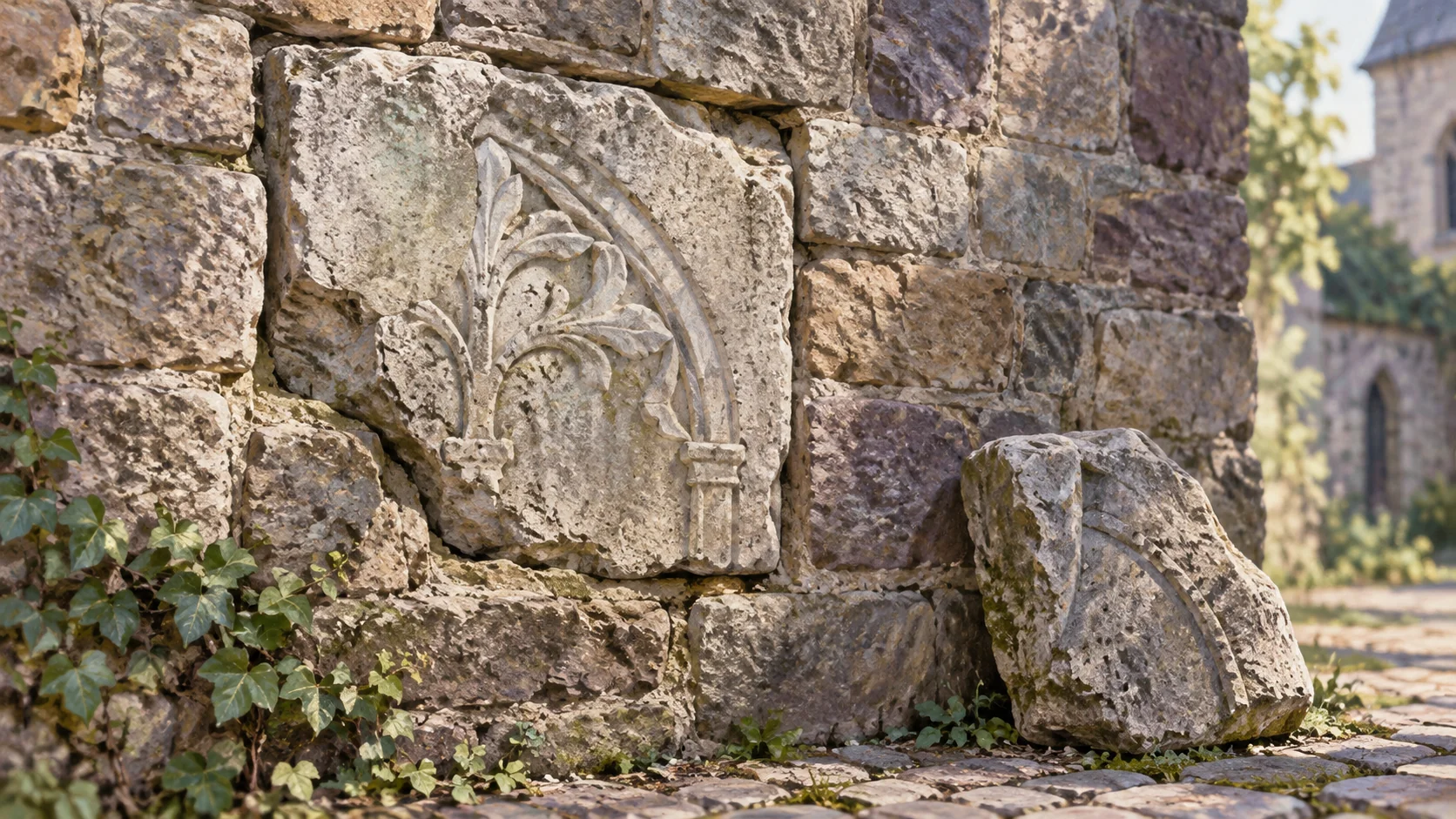
Closeness, community and vulnerable memory

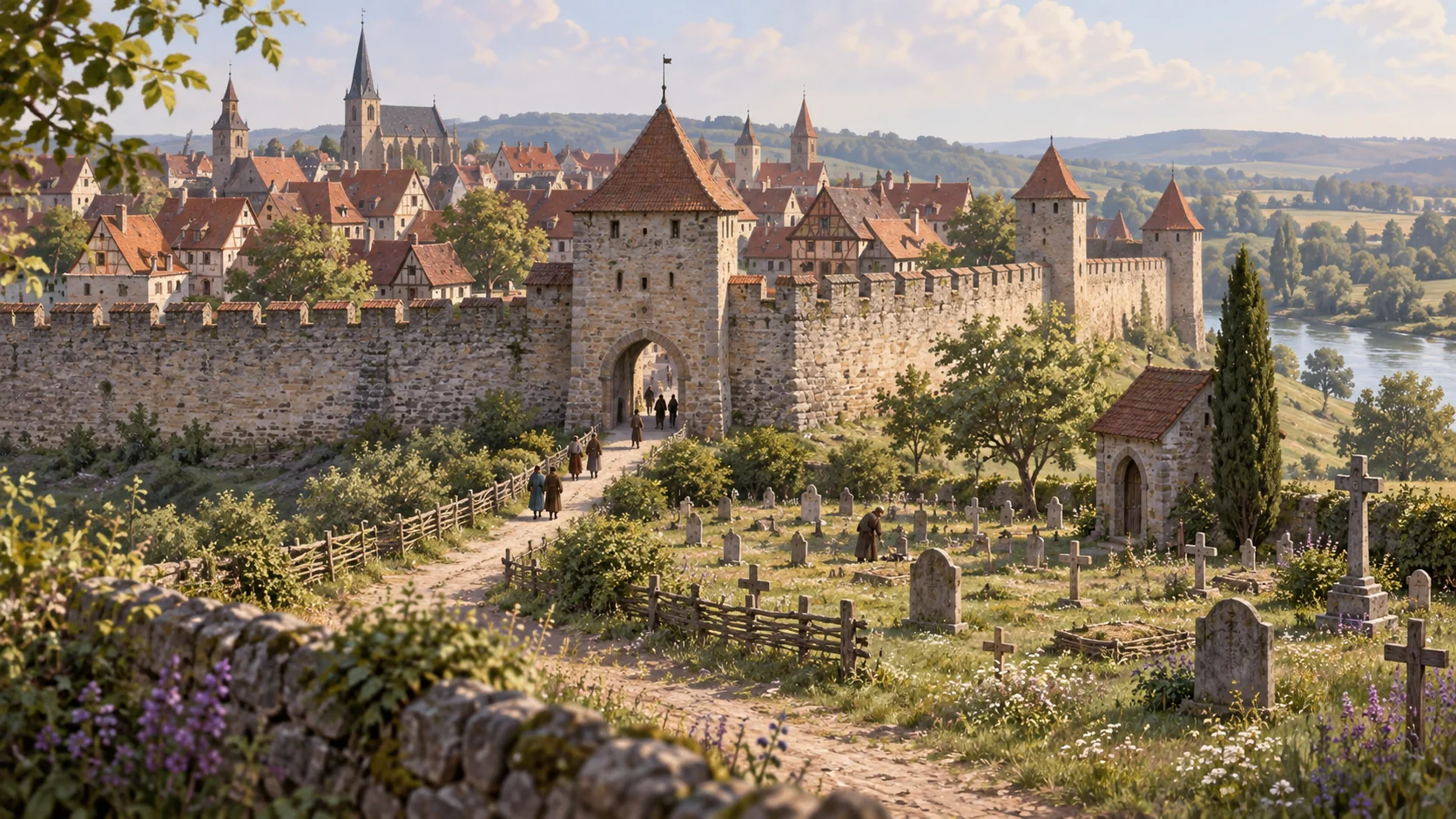
Medieval burial places belong within religious and political orders. Erfurt shows how expulsion and destruction could interrupt remembrance.

Open this stop ↗
1518
History · regional context

Farewell moves beyond the city

In Nuremberg in 1518, concern about plague becomes a lasting reorganisation of burial. New places for the dead also change the journeys of the living.

Open this stop ↗
1878
History · regional context

Technology changes the possibilities

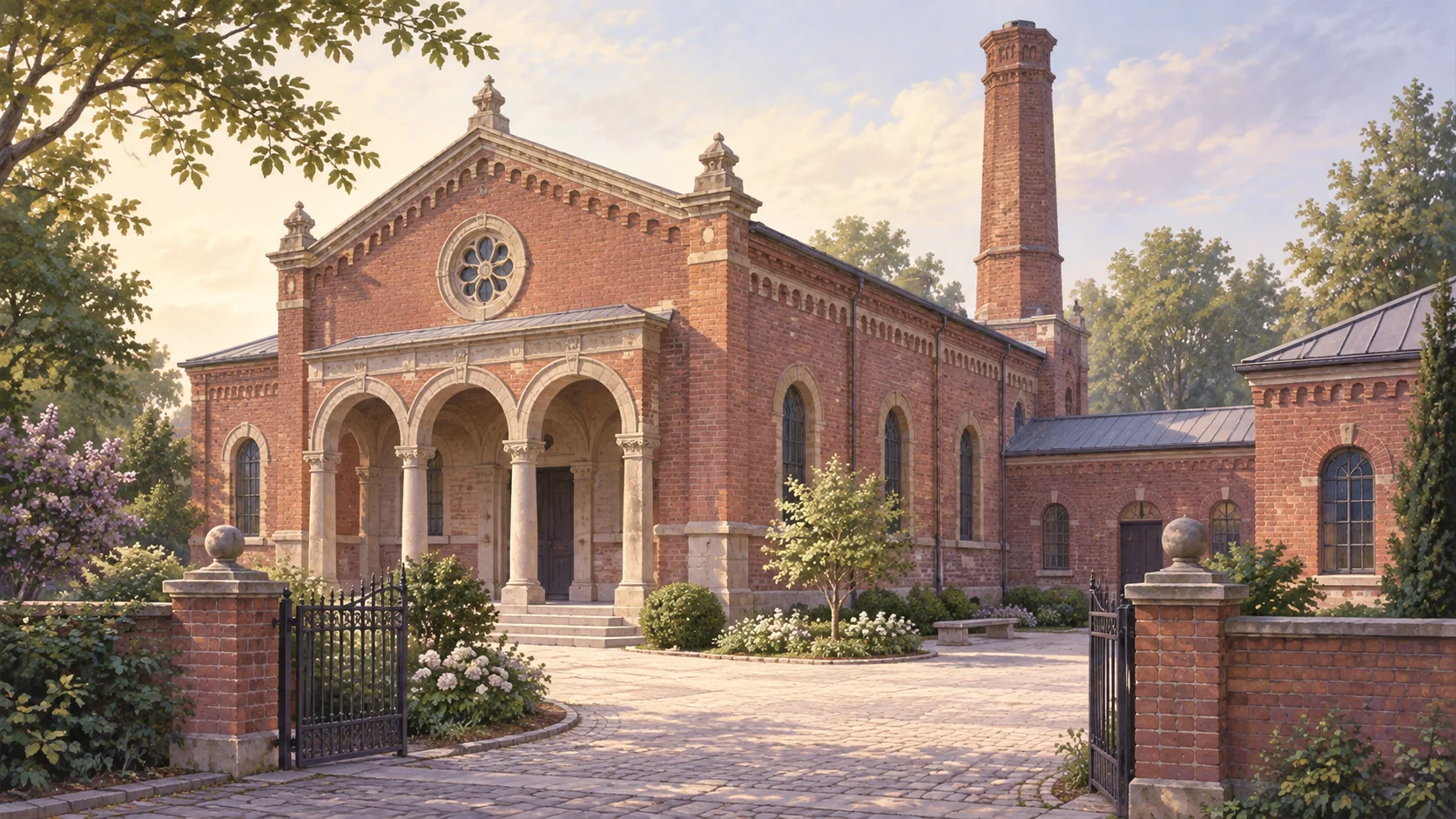
Gotha opens Germany's first crematorium in 1878. The innovation is a technical setting for an entire process linking farewell, cremation and interment.

Open this stop ↗
Today
History · regional context

Many ways to say goodbye

Today's farewell can be understood as a sequence of decisions: clarify wishes, enable a ceremony, choose a burial place and support continuing remembrance.

Open this stop ↗
To 2050 · conditional scenario
Scenario · conditional inference

Cemeteries in transition: a horizon to 2050

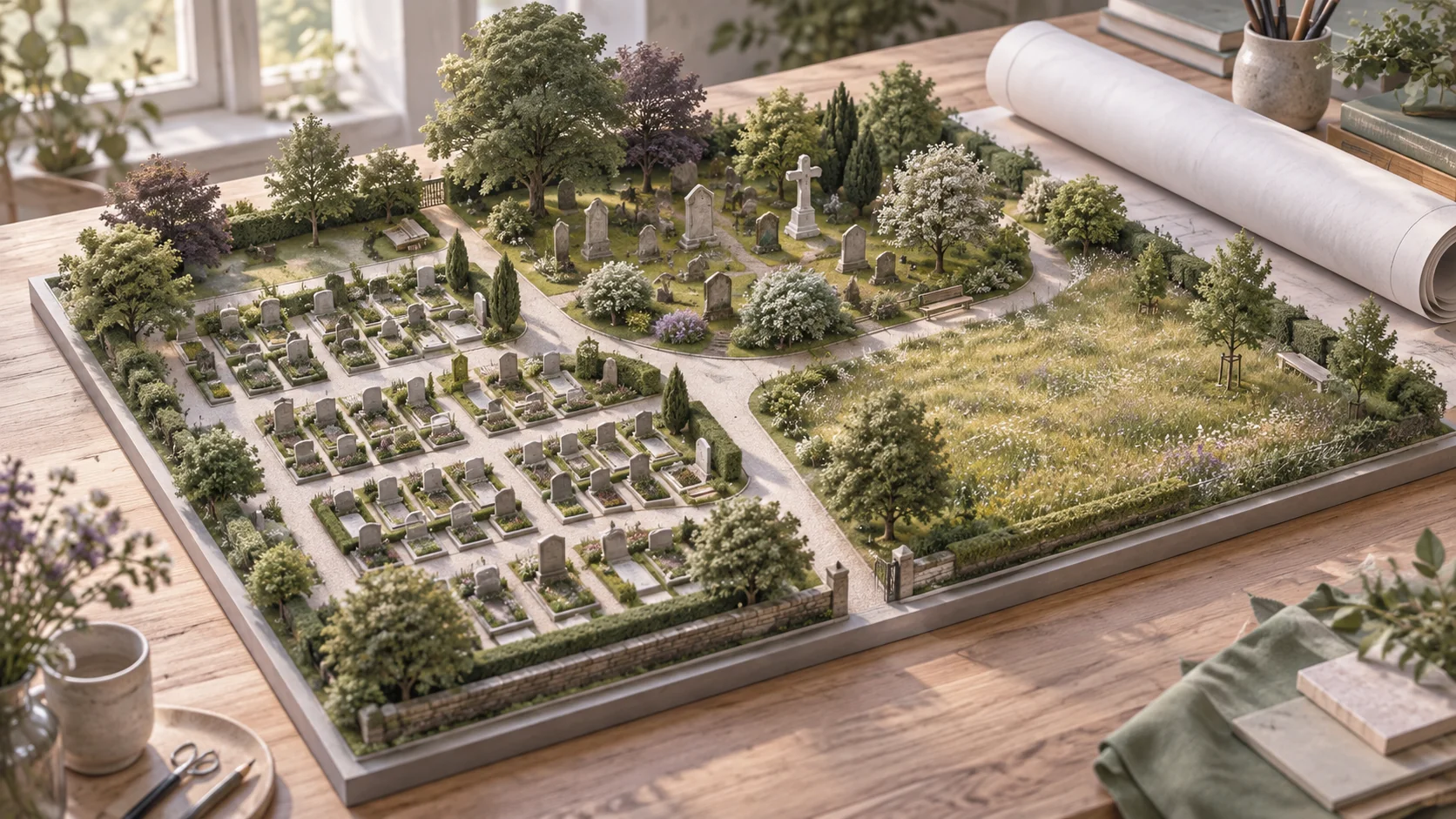
Smaller burial plots do not automatically make a large cemetery easier to operate. By 2050, the central task could be planning interment, care and new uses together.

Open this stop ↗
To 2100 · conditional scenario
Scenario · conditional inference

Cemeteries in a changing climate

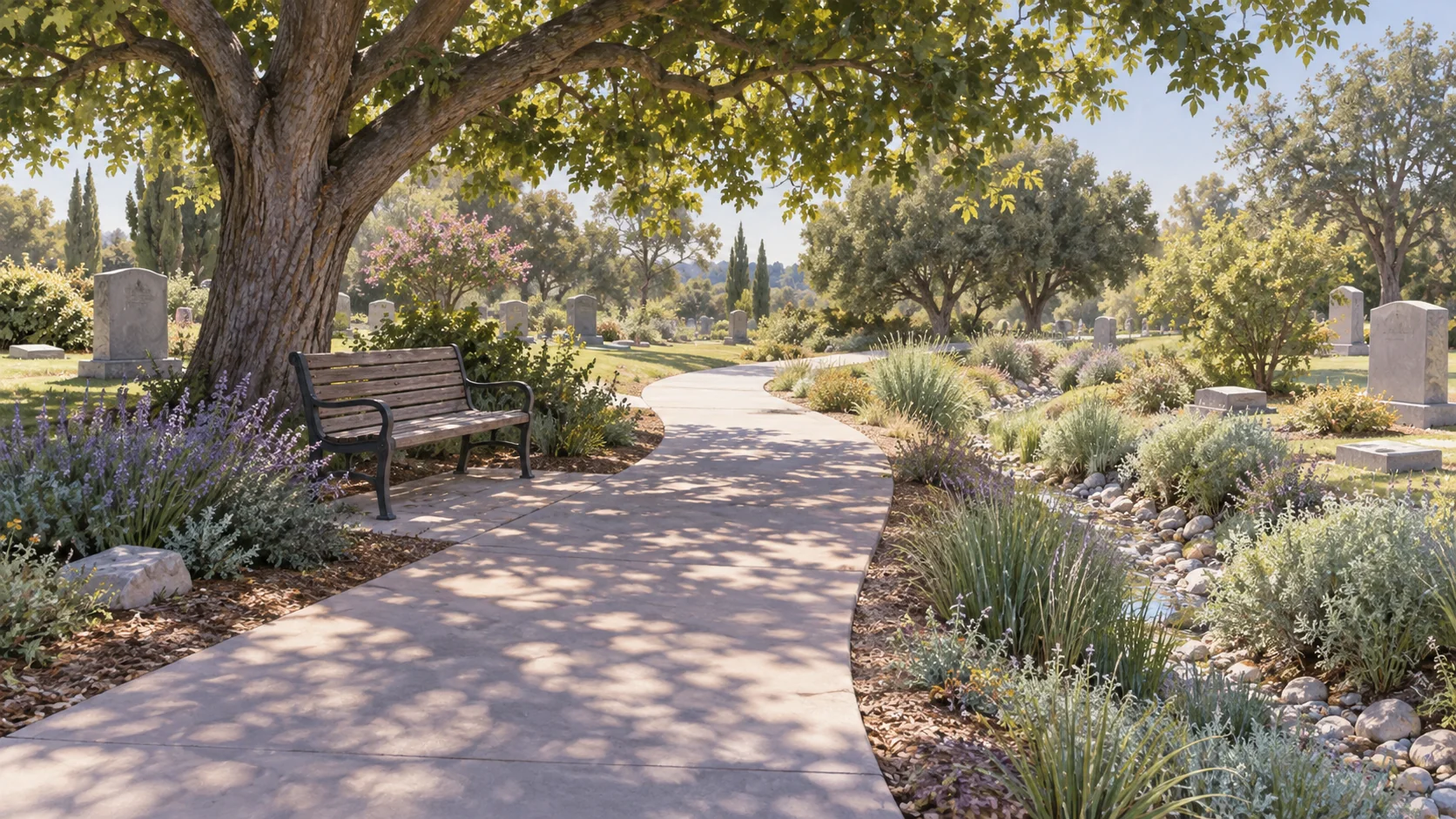
A place of remembrance needs to remain reachable when heat, drought or heavy rain make visits harder. The 2100 horizon makes adaptation a question of participation.

Open this stop ↗
3026 · beyond robust social forecasts
Scenario · conditional inference

What can remain after a thousand years?

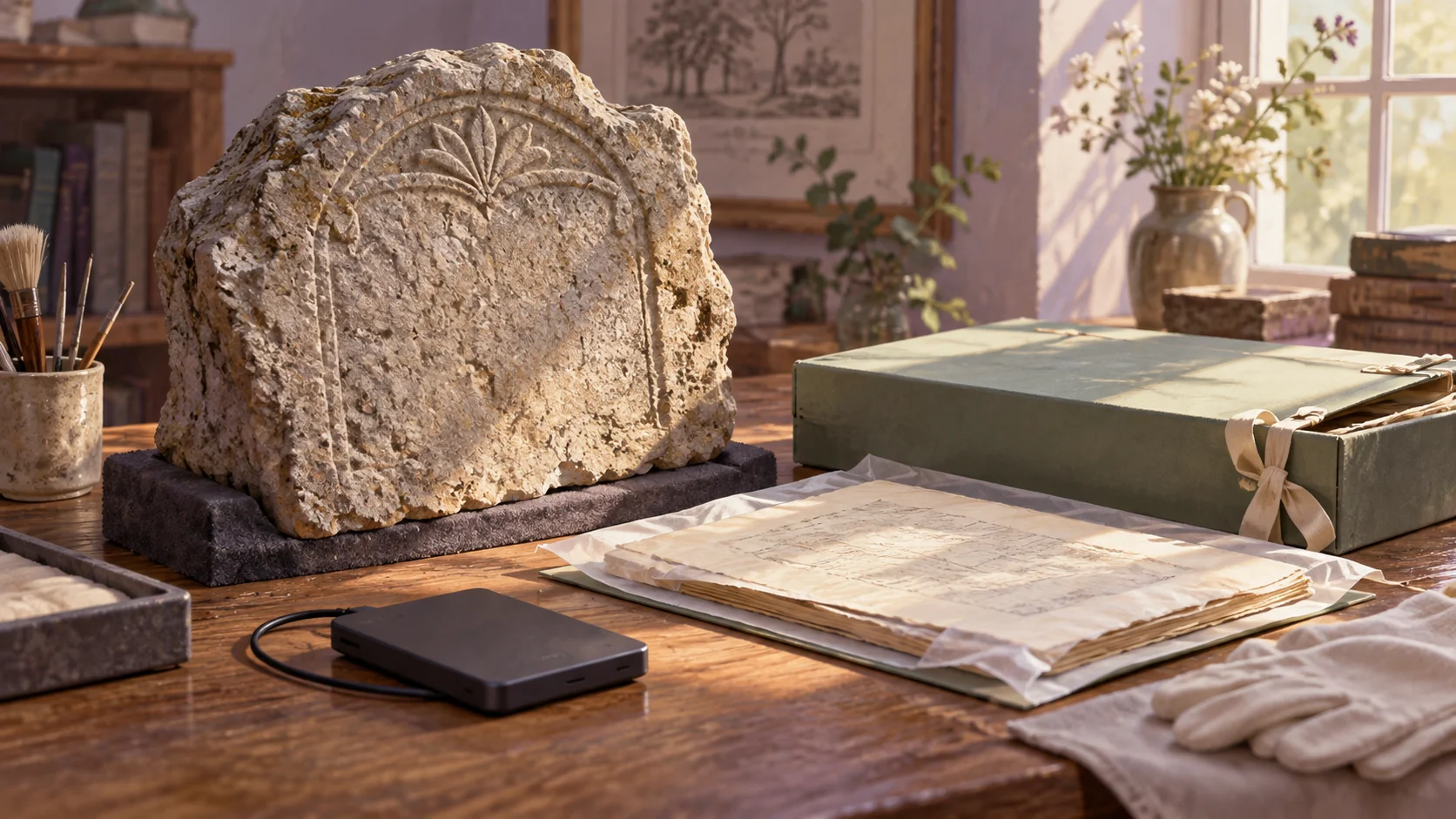
A stone may survive a thousand years while its name becomes unreadable. A copied file may remain while its context is lost. Persistence and remembrance are different things.

Open this stop ↗

Synthetic concept image, not a documentary image.

Questions about this topic

Why does the journey not begin with ‘Germany’?

Early sites belong to changing archaeological and historical contexts. Present-day borders would not provide a suitable retrospective unit.

Are the intervals drawn to scale?

No. This overview orders selected stations rather than proportional intervals. Its future horizons are conditional scenarios.