
Topics
Life behind farewell.
A funeral connects body, ceremony, burial location and later remembrance. The chapters explain these layers and the roles of landscape, religion, money and responsibility.
Places and landscapes
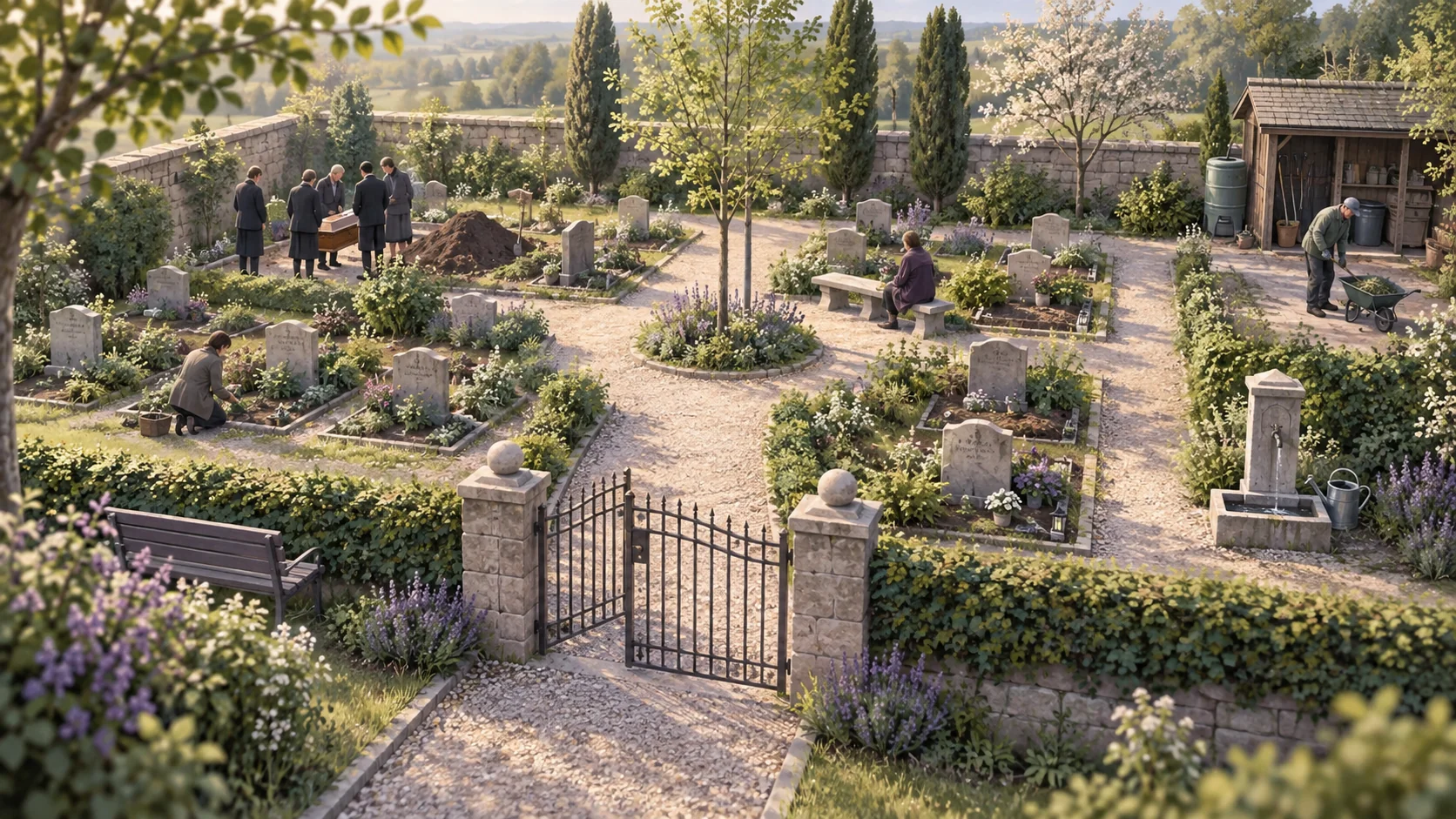
Where the dead find a place
A cemetery connects three tasks: burying the dead, making room for grief and maintaining a place over time. Its form reflects how a society organises those tasks.
Explore this page ↗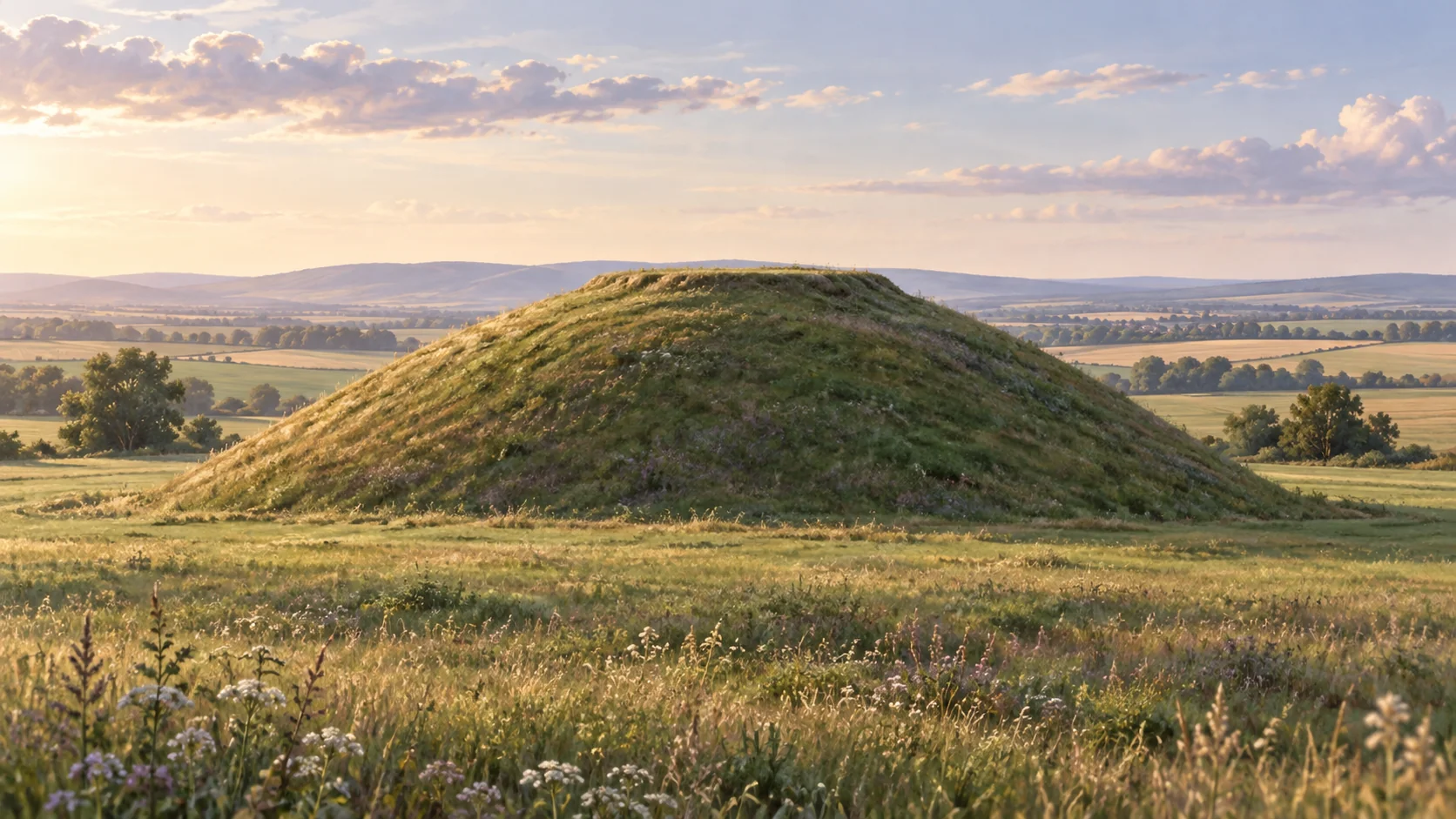
Burial mounds: memory becomes landscape
A burial mound makes an interment visible in the landscape. At Leubingen, a particularly elaborate structure also points to differences within a community.
Explore this page ↗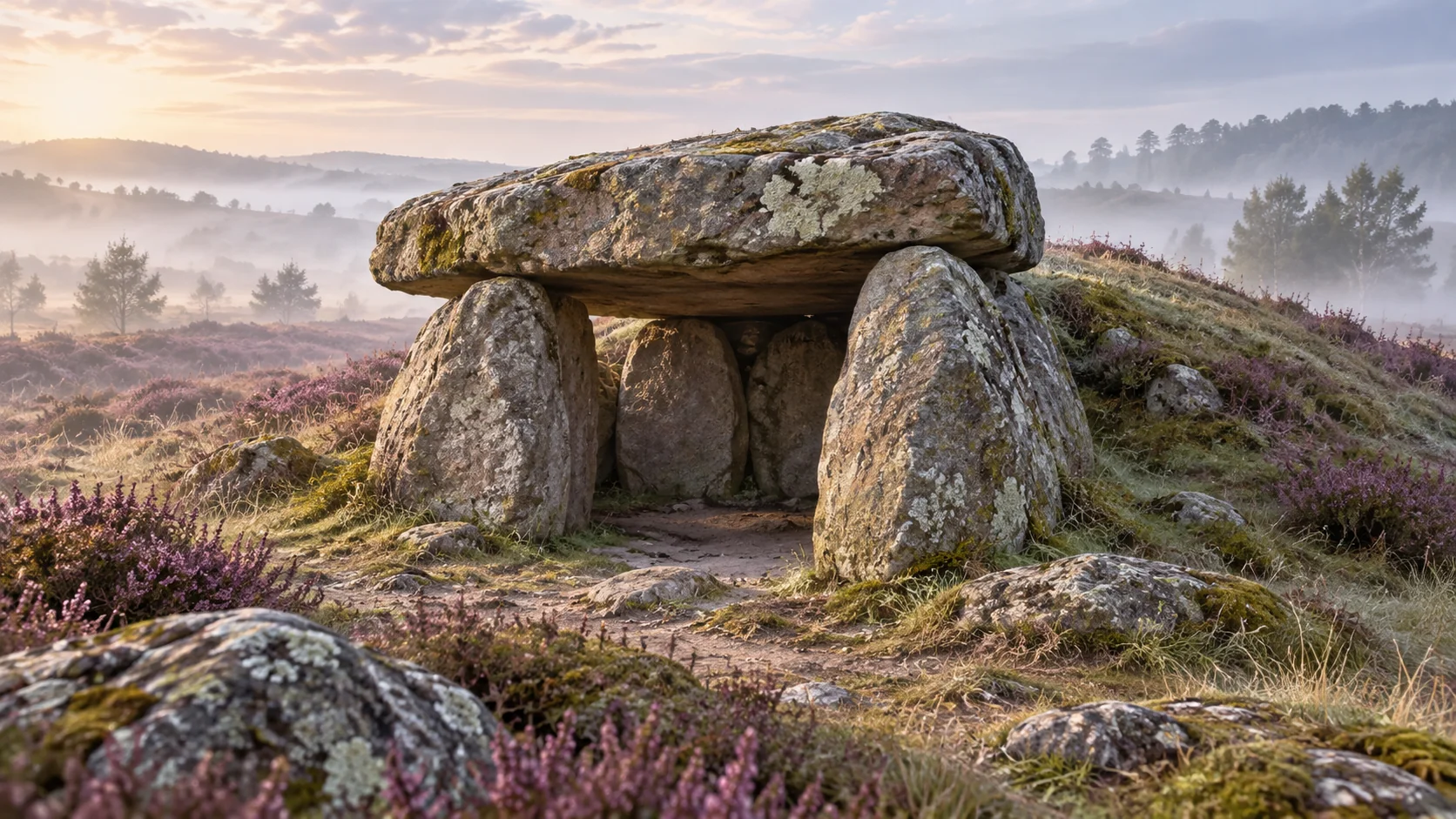
Dolmens: rooms of great stones
What looks like a free-standing stone table was part of a tomb. Chamber, mound and later changes together explain what survives today.
Explore this page ↗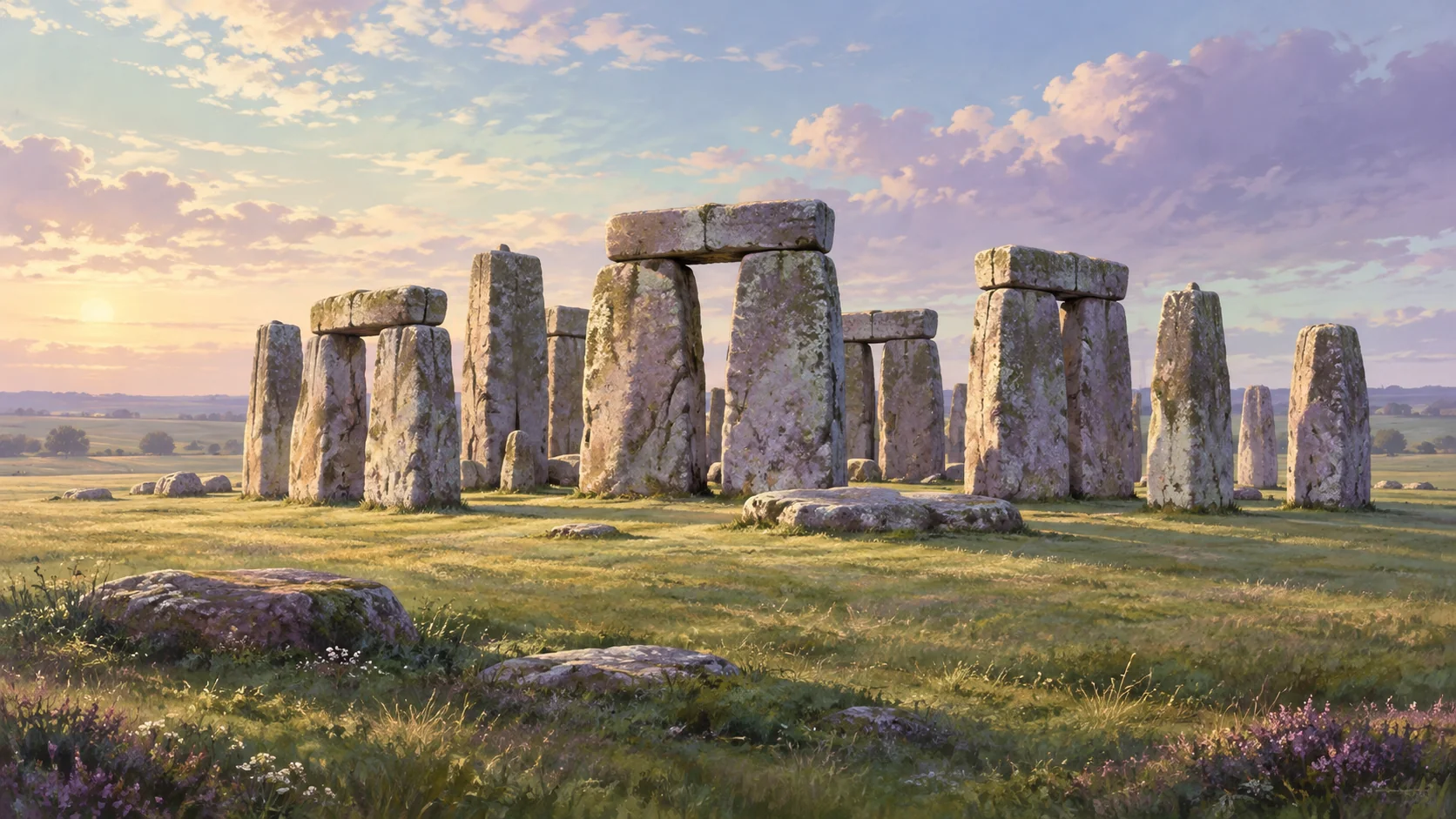
Stonehenge: more than a stone circle
Stonehenge initially also served cremation burials. The later stone circle belongs to a longer history of changing structures and uses.
Explore this page ↗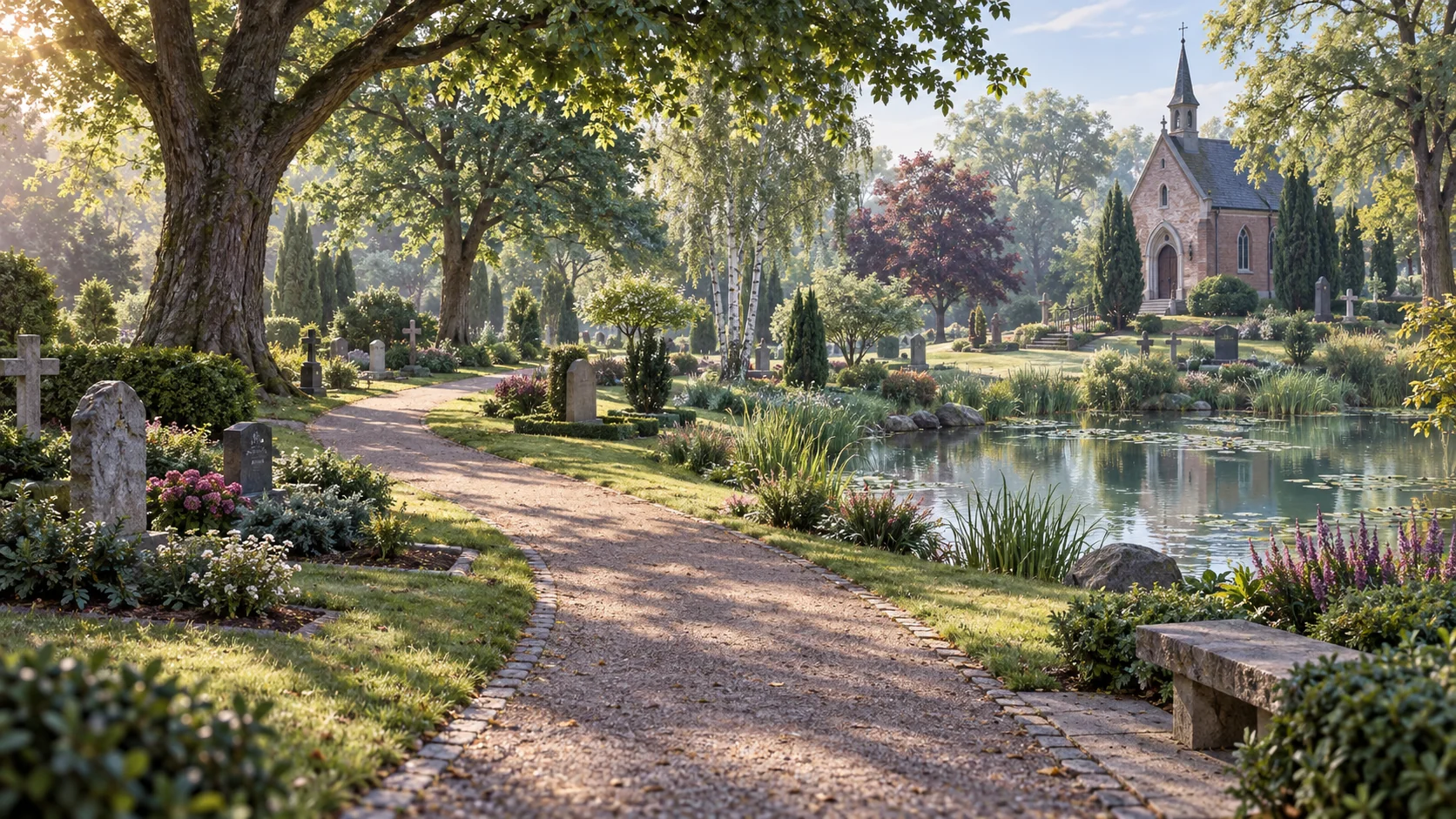
Park cemeteries: landscape and remembrance
A park cemetery makes the journey to the grave part of remembrance. Landscape, orientation and care form a shared task.
Explore this page ↗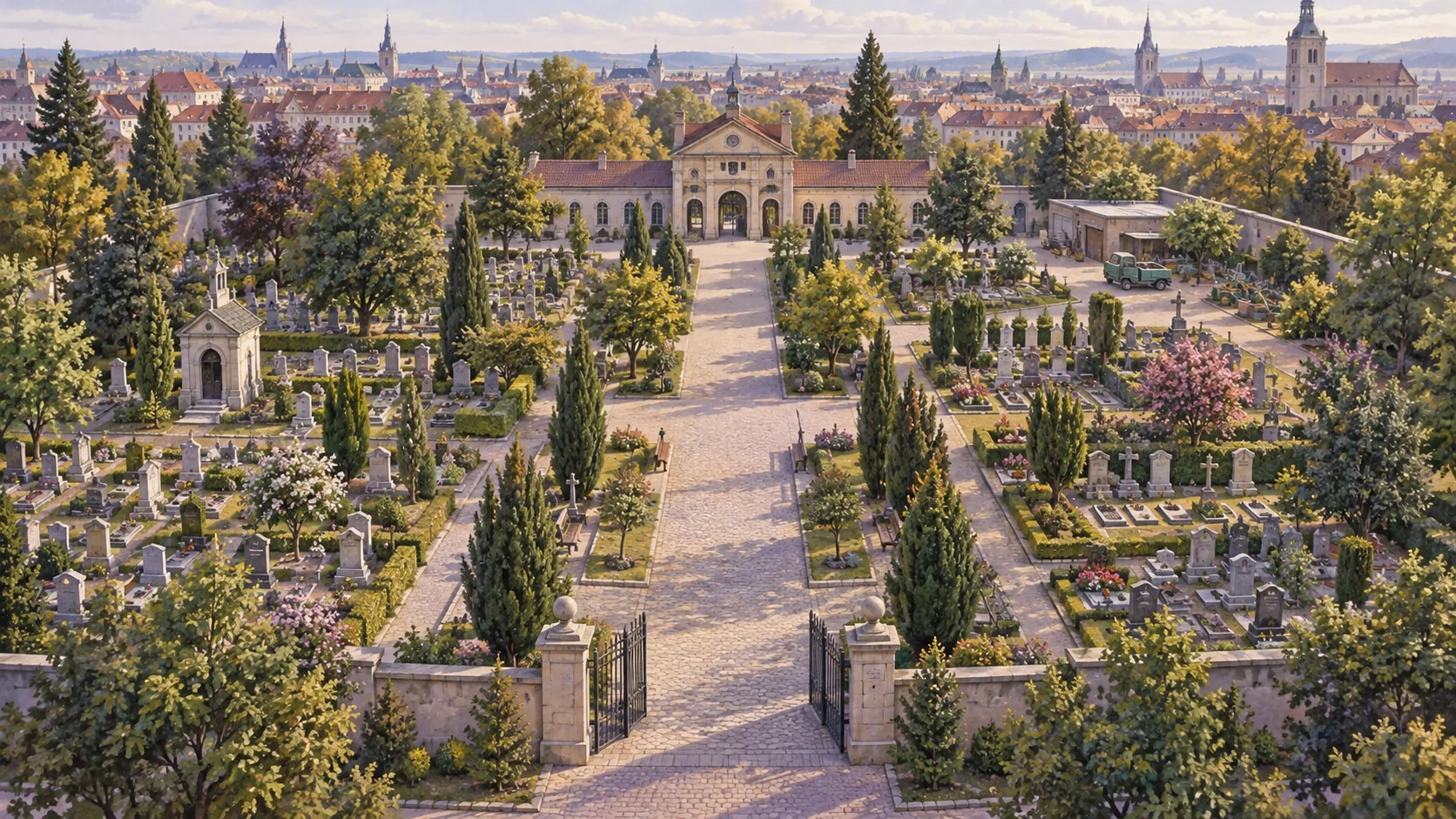
Central cemeteries: a city organises farewell
A central cemetery brings a city's burial services together. Its scale answers a service need while creating requirements for routes, orientation and personal remembrance.
Explore this page ↗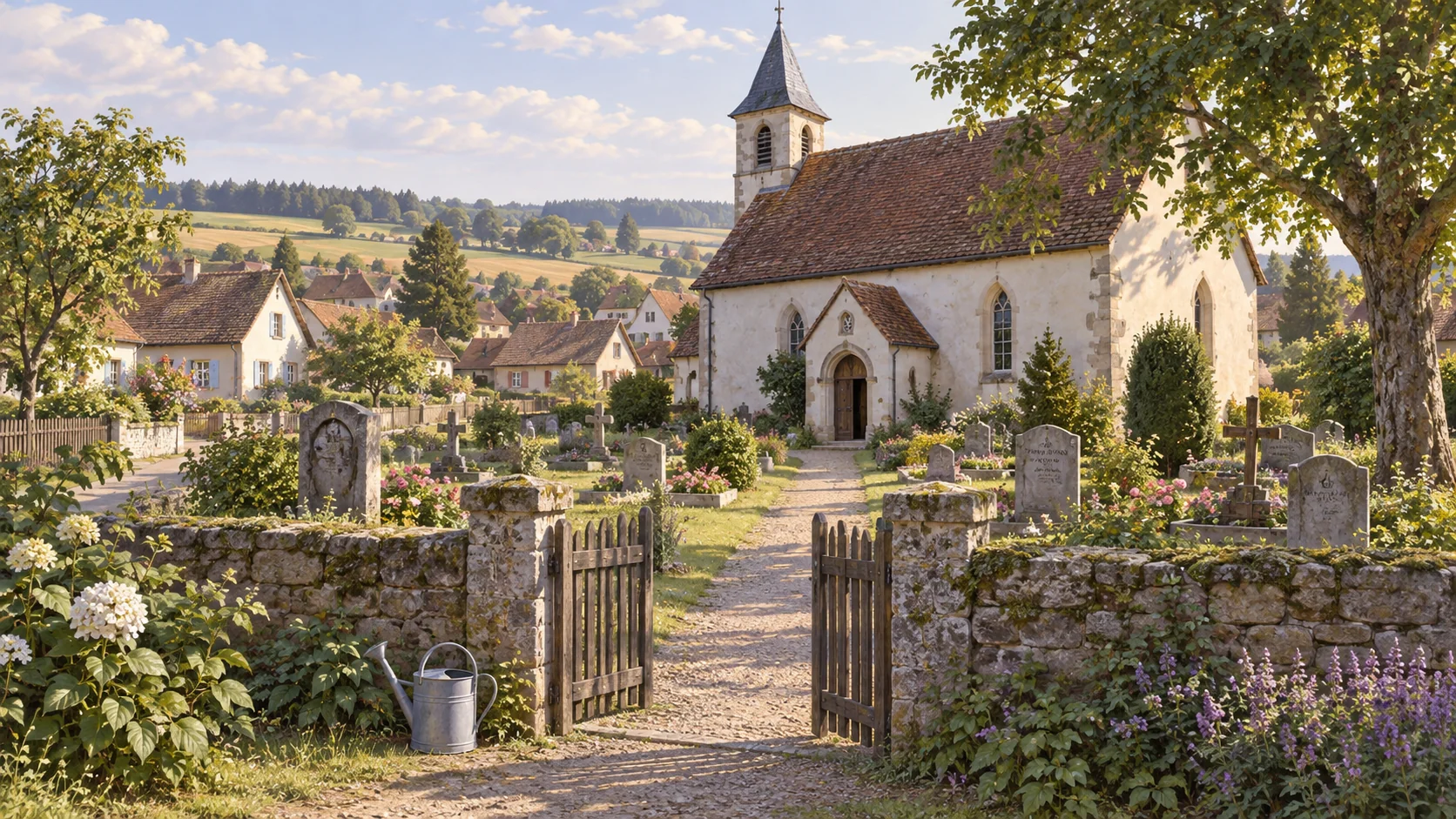
Village cemeteries: familiar names, shared care
A village cemetery keeps remembrance in a local setting. Personal attachment and lasting responsibility need to meet if it is to continue.
Explore this page ↗Rituals, faith and society
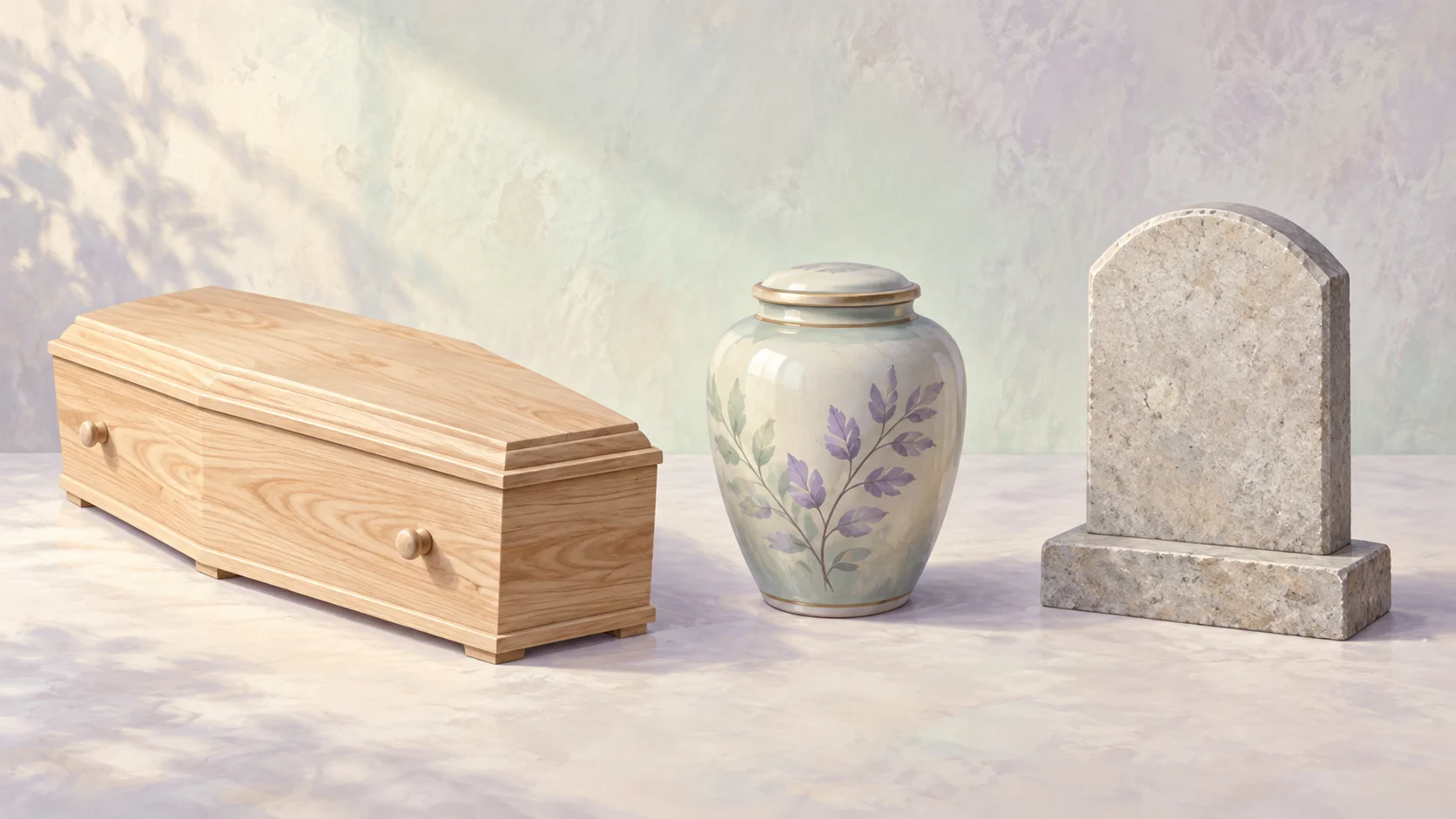
One form, many meanings
Body or ashes, ceremony or burial, individual grave or shared place: separating these decisions makes different forms of burial understandable.
Explore this page ↗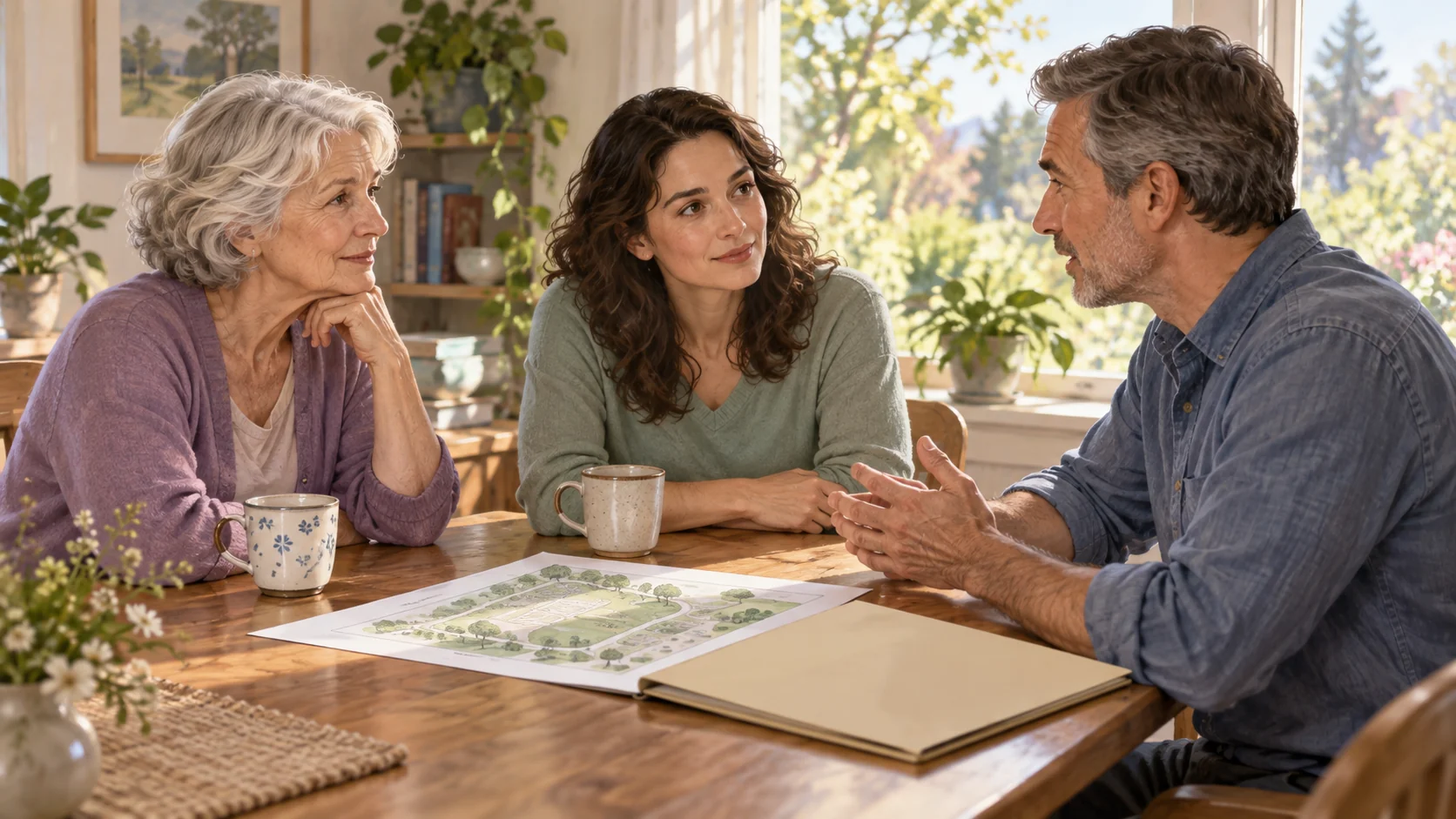
How life changes farewell
A farewell brings together people with different responsibilities. The ability to decide, pay, attend and provide later care shapes a funeral alongside personal beliefs.
Explore this page ↗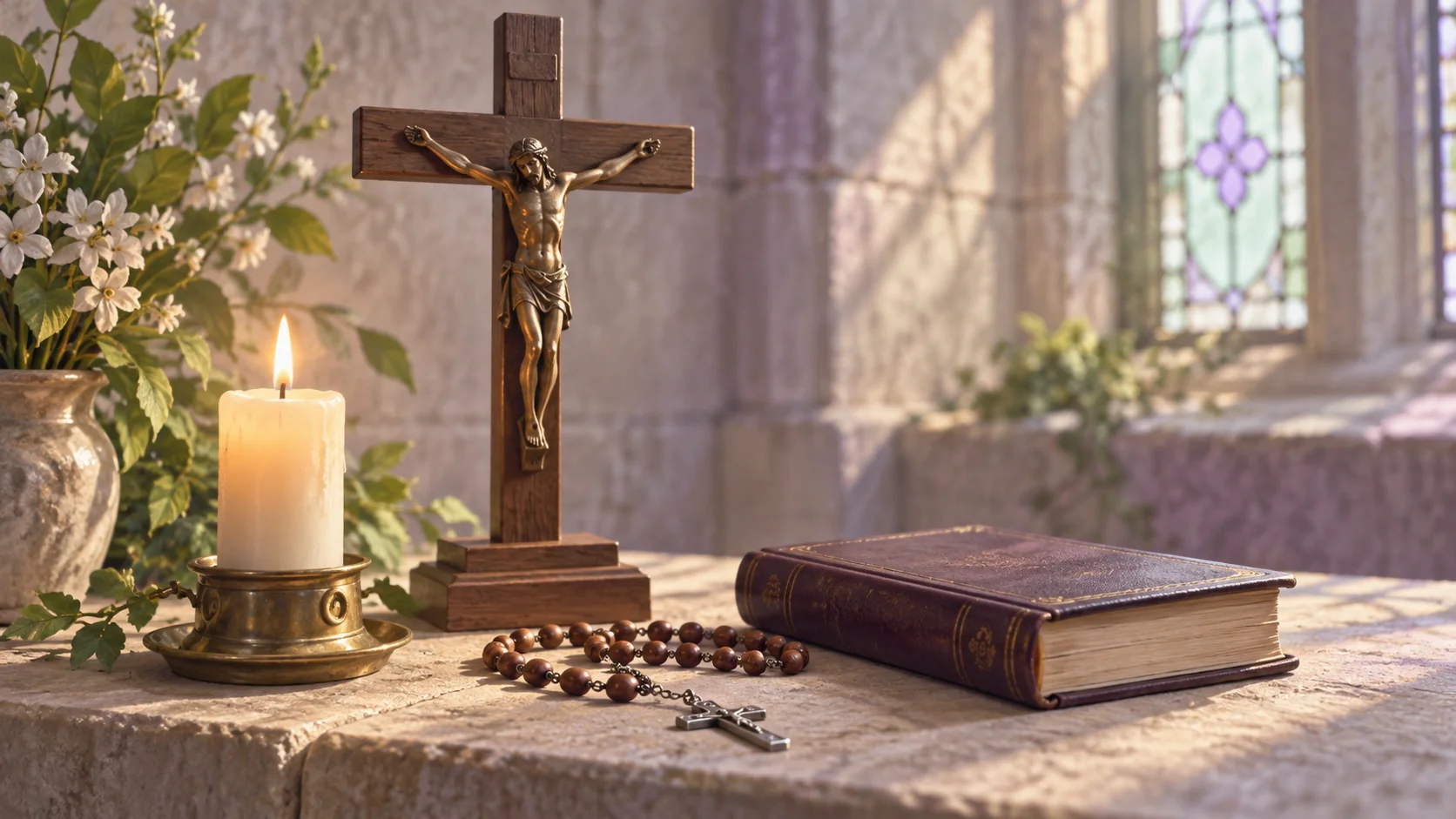
Catholic traditions: prayer and hope
Catholic burial connects farewell with prayer and the hope of resurrection. The grave is also understood as a place of continuing community.
Explore this page ↗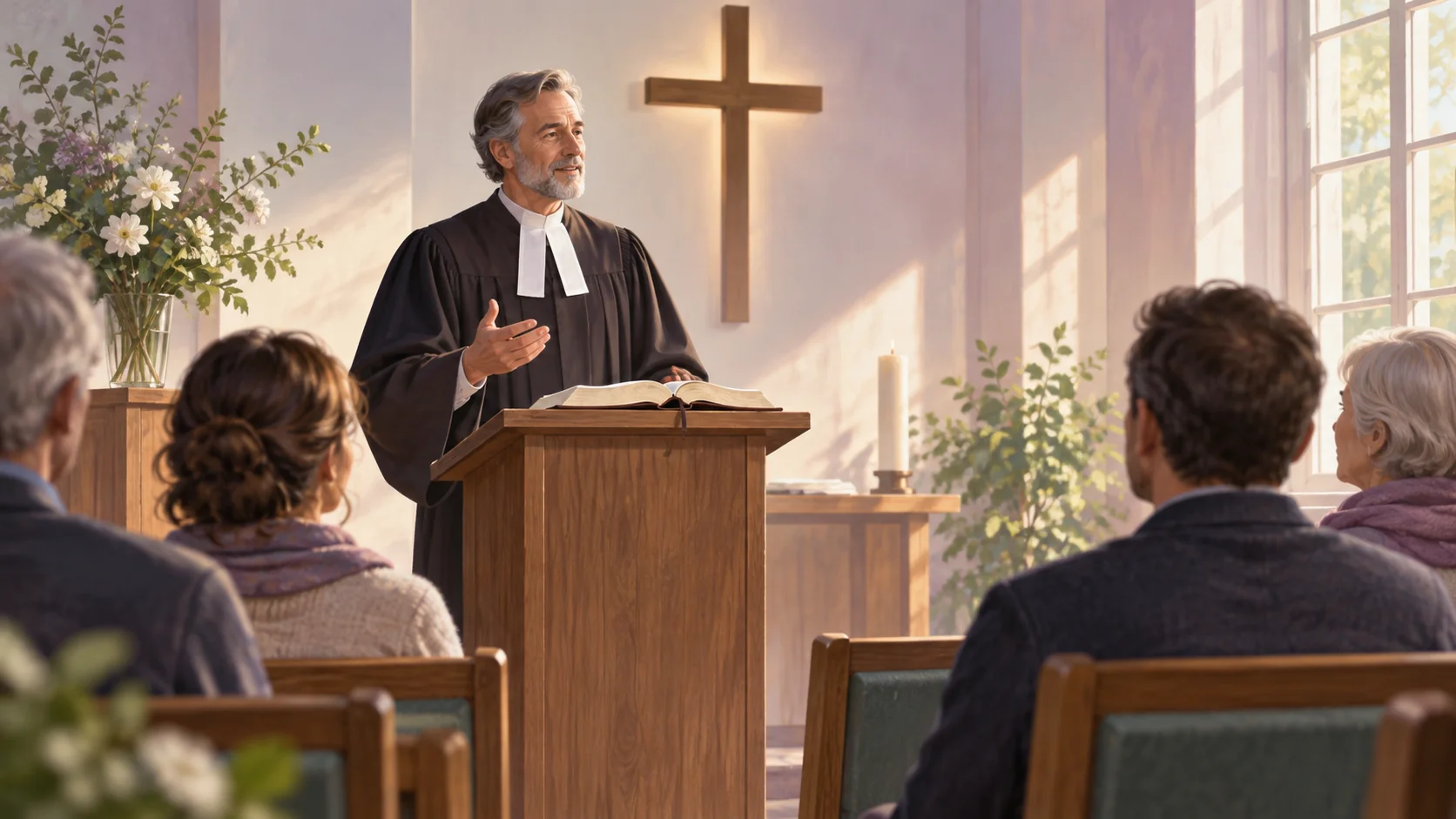
Protestant traditions: comfort for the living
Protestant burial places farewell within proclamation, resurrection hope and consolation. Its individual actions may occur in several locations.
Explore this page ↗
When lives connect several places
When a life and a family connect several places, choosing a burial location also involves closeness, belonging and reachable remembrance.
Explore this page ↗Money, power and rules
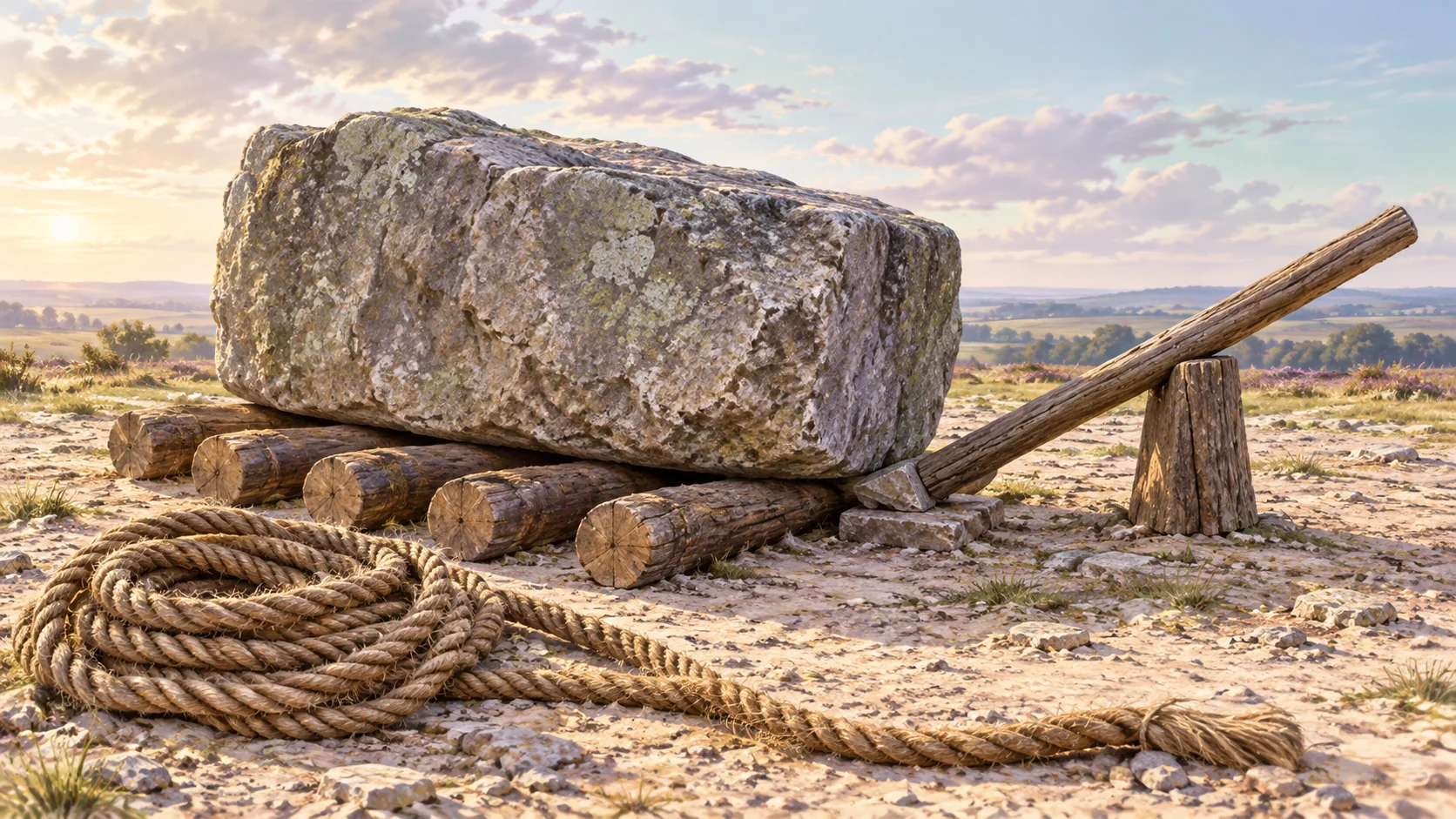
What does farewell cost without money?
Prehistoric burial structures have no recorded price in euros. Their effort can still be examined: people had to provide material, labour and time for the dead.
Explore this page ↗
Who pays for farewell today?
Arranging a funeral, receiving an invoice and ultimately bearing its cost are different questions. Understandable funding starts by separating them.
Explore this page ↗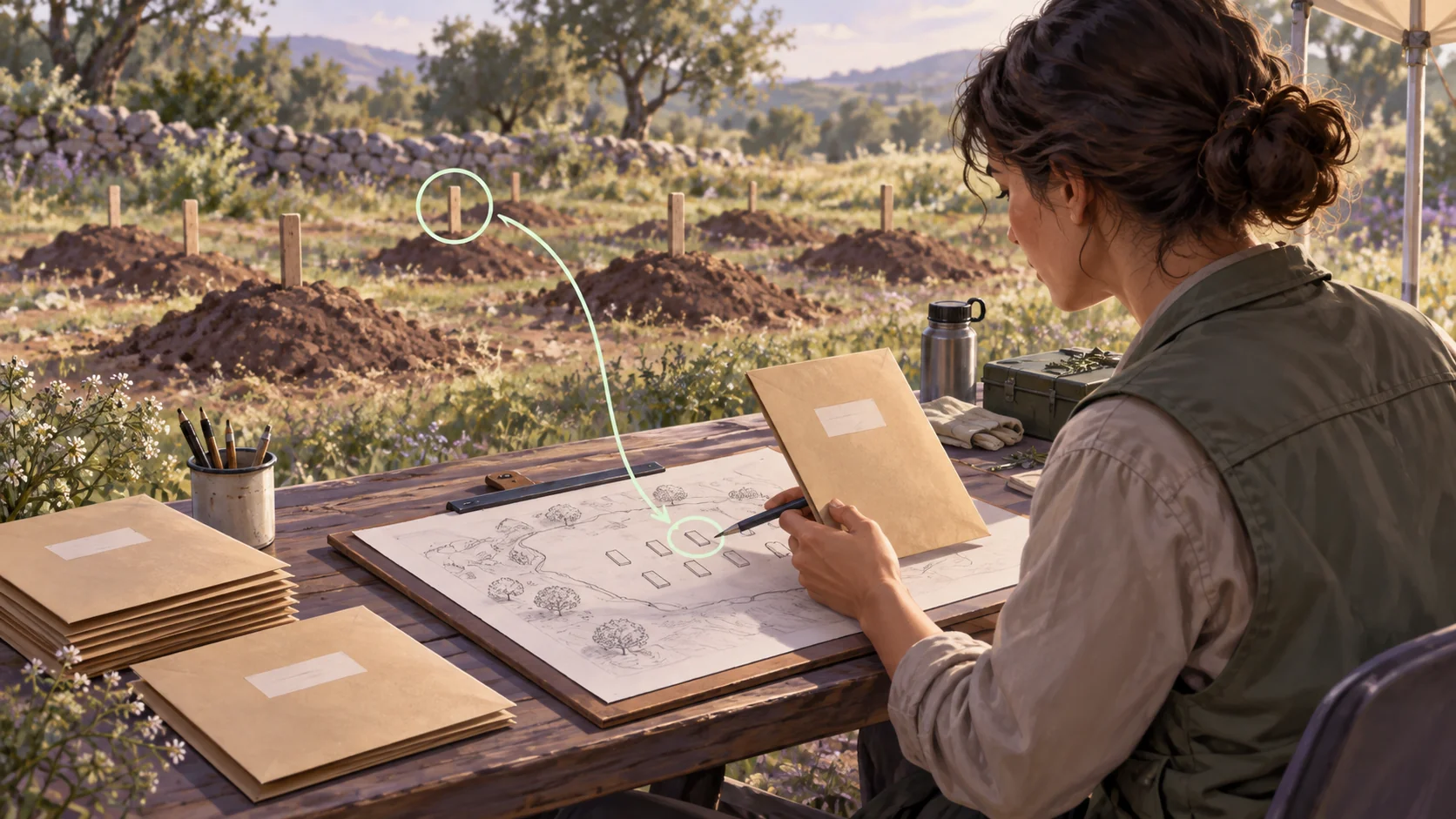
Who may be remembered?
In crises, identity, a documented grave location and relatives' access come first. Protecting these connections preserves the possibility of personal farewell.
Explore this page ↗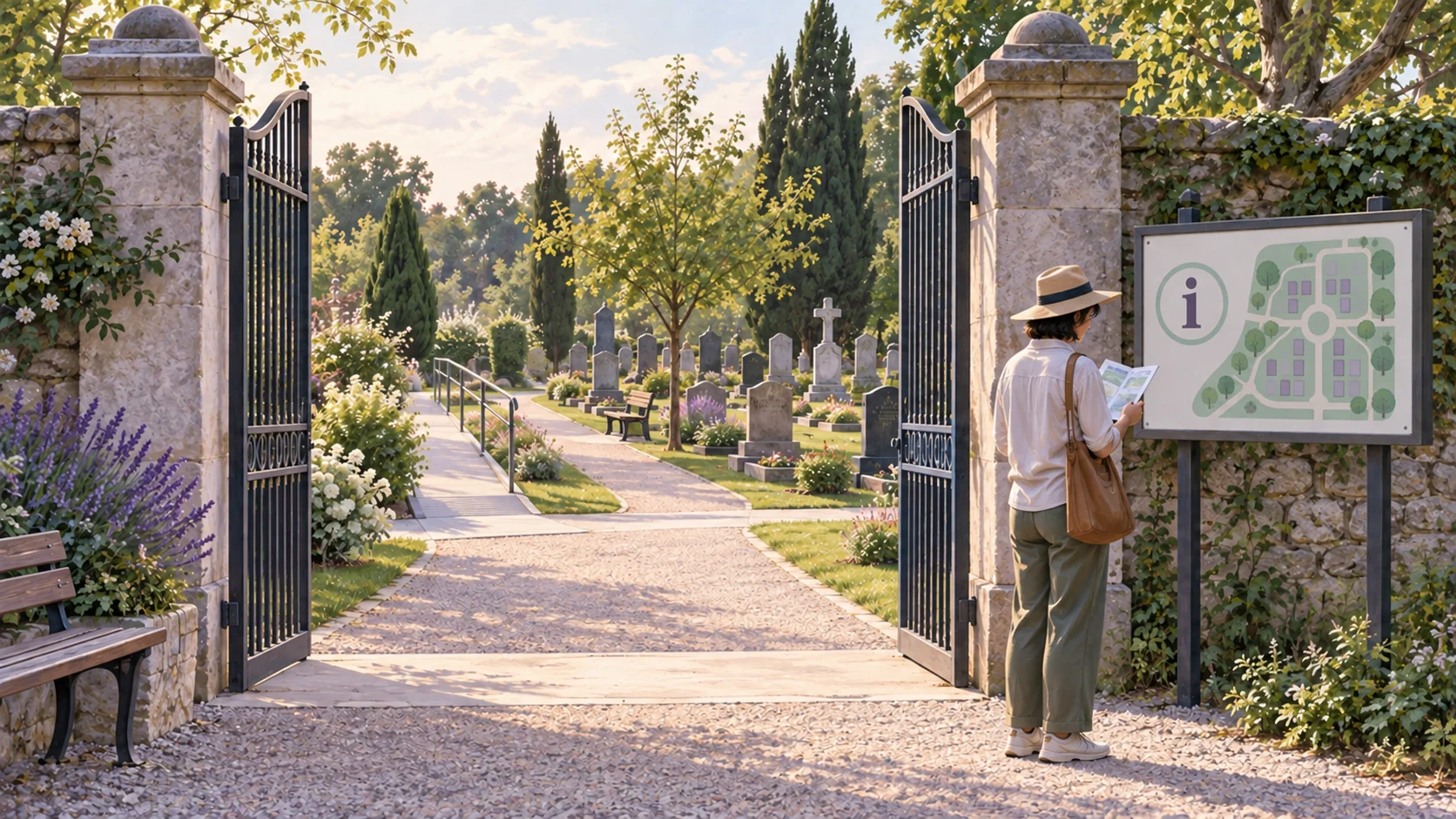
Between wishes and shared rules
A personal wish becomes practicable when burial type, place and local conditions fit together. Berlin illustrates how basic rules connect with religious exceptions.
Explore this page ↗Questions about this topic
How do park, central and village cemeteries relate?
The terms describe different aspects: landscape design, urban function and local context. One site can combine several.
Where can I find financing and religious traditions?
Their dedicated pages are linked directly under ‘Money, power and rules’ and ‘Rituals, faith and society’.